The Nitty Gritty of Silviculture
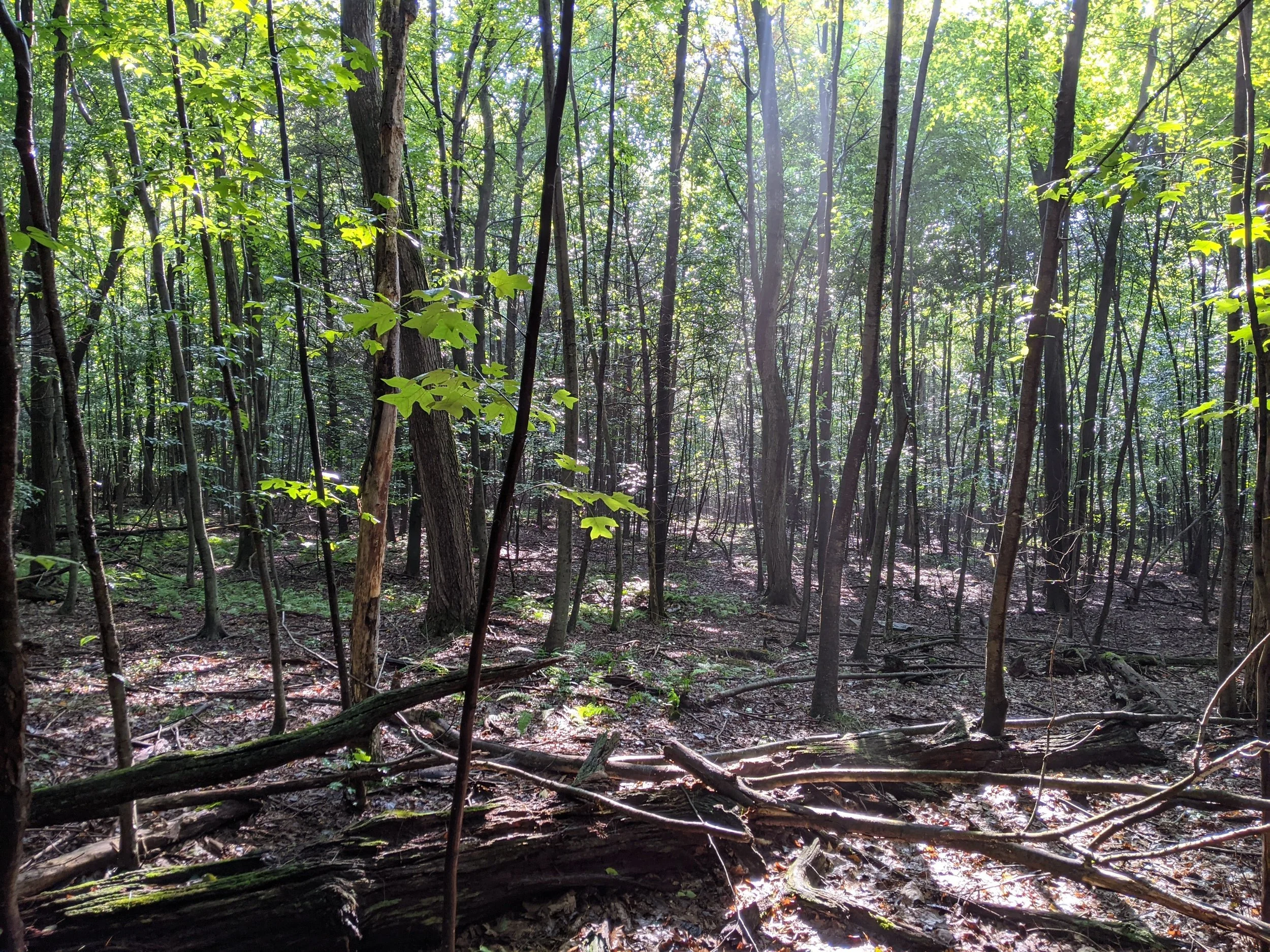
Silviculture is the practice of managing and cultivating forests to meet specific objectives, such as timber production, wildlife habitat, watershed management, or recreational use. It involves a range of techniques and strategies that influence forest composition, structure, and growth. The main goal is to make sure that forests are healthy, sustainable, and productive not just today, but also long into the future.
Why It's Essential
—
Why It's Essential —
Forests have had a major impact on the Pennsylvania’s history and culture, and they continue to do so in the modern day, as roughly 10% of the manufacturing workforce comes from the forest products industry. PA is also home to the finest hardwood lumber the world has to offer. Because of this, silviculture plays a vital role for these reasons:
Sustainable Timber Production – Pennsylvania has a significant timber industry, and sustainable timber harvesting is critical to the state’s economy. Silviculture ensures that timber resources are harvested in a way that maintains the forest’s overall health and productivity. By applying techniques like selective cutting, shelterwood cutting, or clear-cutting (in appropriate areas), foresters can balance timber production with forest regeneration.
Forest Health and Resilience – Forests in Pennsylvania face numerous threats, including invasive pests, diseases, and climate change. Techniques such as thinning, invasive vegetation control, and species diversification help improve forest health and increase resilience to these threats. Well-managed forests are more likely to withstand disturbances like storms, droughts, or pest infestations.
Biodiversity Conservation – Pennsylvania’s forests are home to diverse species of plants, animals, and fungi. Silvicultural practices help maintain and improve habitat for wildlife by controlling forest density, removing invasive species, and ensuring the growth of native species. Through selective harvesting, regeneration, and other techniques, silviculture helps sustain biodiversity and maintain ecosystem balance.
Carbon Sequestration – Forests play a vital role in mitigating climate change by absorbing and storing carbon dioxide. Silvicultural practices help maximize the carbon storage capacity of forests by promoting healthy, fast-growing trees and improving forest structure. Healthy forests not only sequester carbon but also help regulate the water cycle and prevent soil erosion.
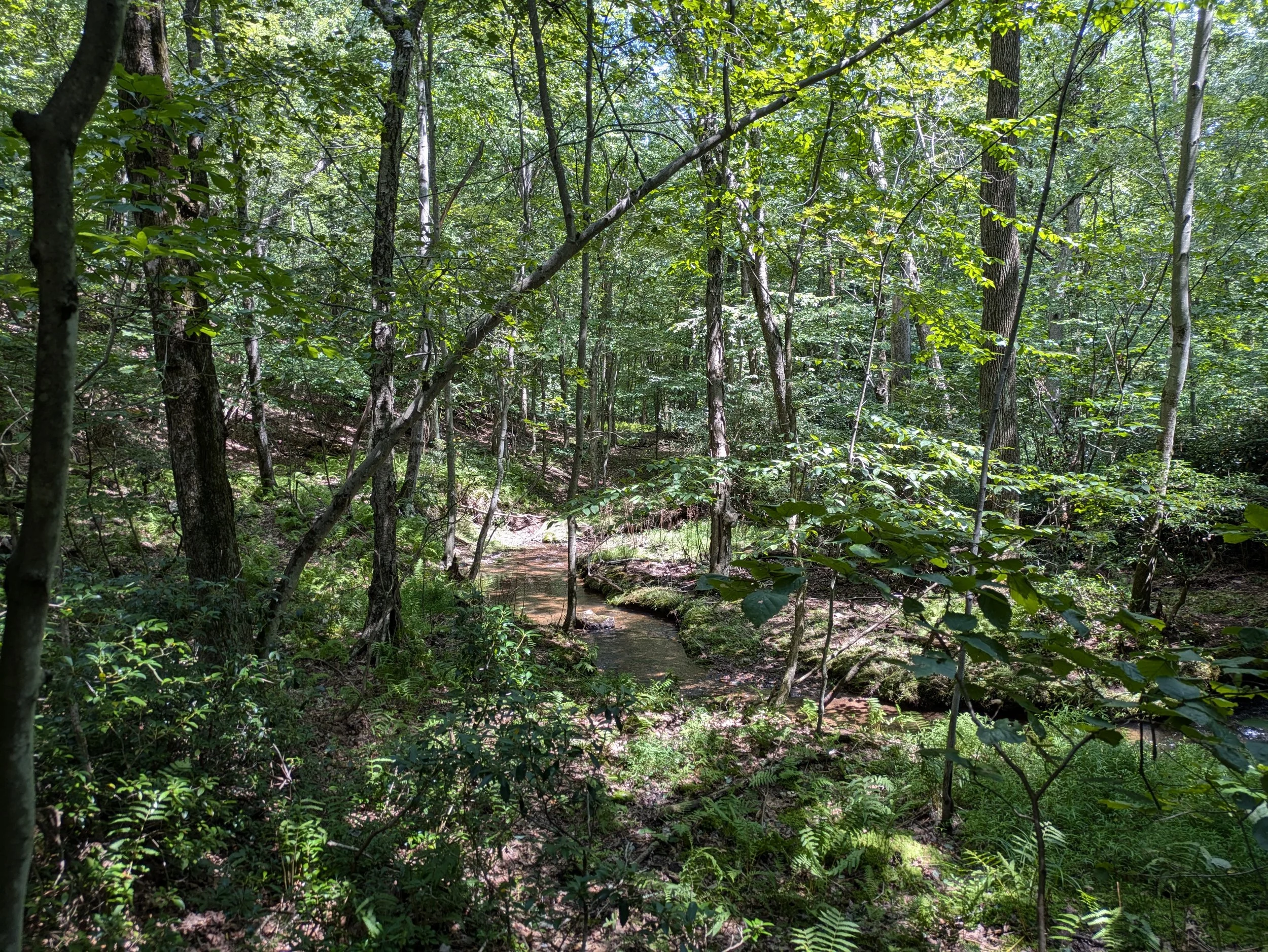
Water Quality Protection – Forests provide critical watershed functions. Silviculture helps maintain forested buffers along streams and rivers, preventing soil erosion, filtering runoff, and improving water quality. Healthy forest management in riparian zones is particularly important for the protection of aquatic ecosystems and drinking water sources.
Recreation and Aesthetic Value – Forests are a valuable resource for outdoor recreation, including hiking, hunting, fishing, and camping. Silviculture helps manage forests in a way that enhances these recreational opportunities while maintaining forest health and visual appeal. It also ensures that forests continue to provide opportunities for education, research, and tourism.


In summary, Silviculture is essential to the health, productivity, and sustainability of Pennsylvania's forests. It is also the foundation of my management practices. By implementing sound silvicultural strategies, my ultimate goal is to ensure that our forests continue to provide a wide range of benefits to the environment, economy, and people for years to come.