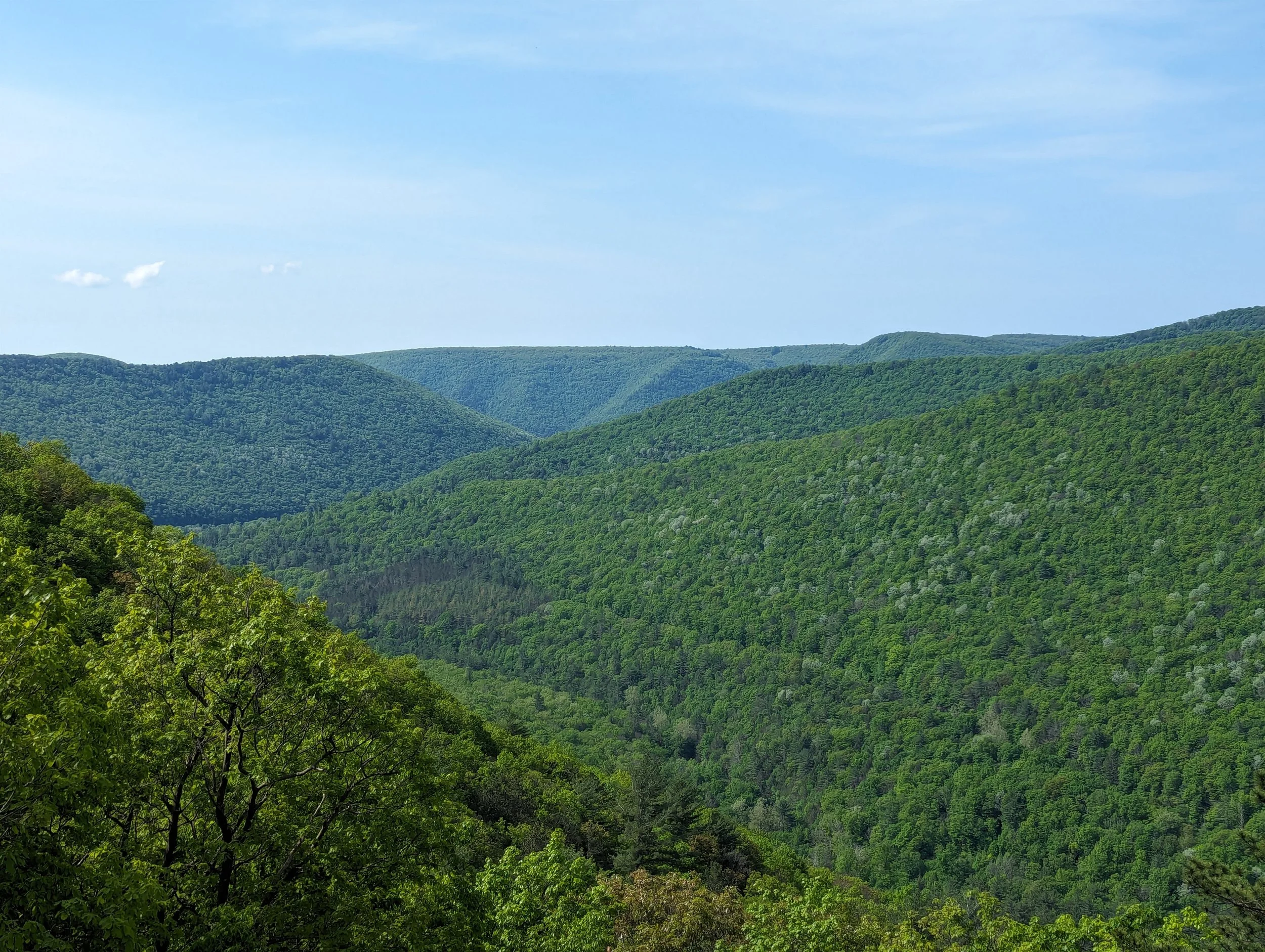
The Importance of Forestry
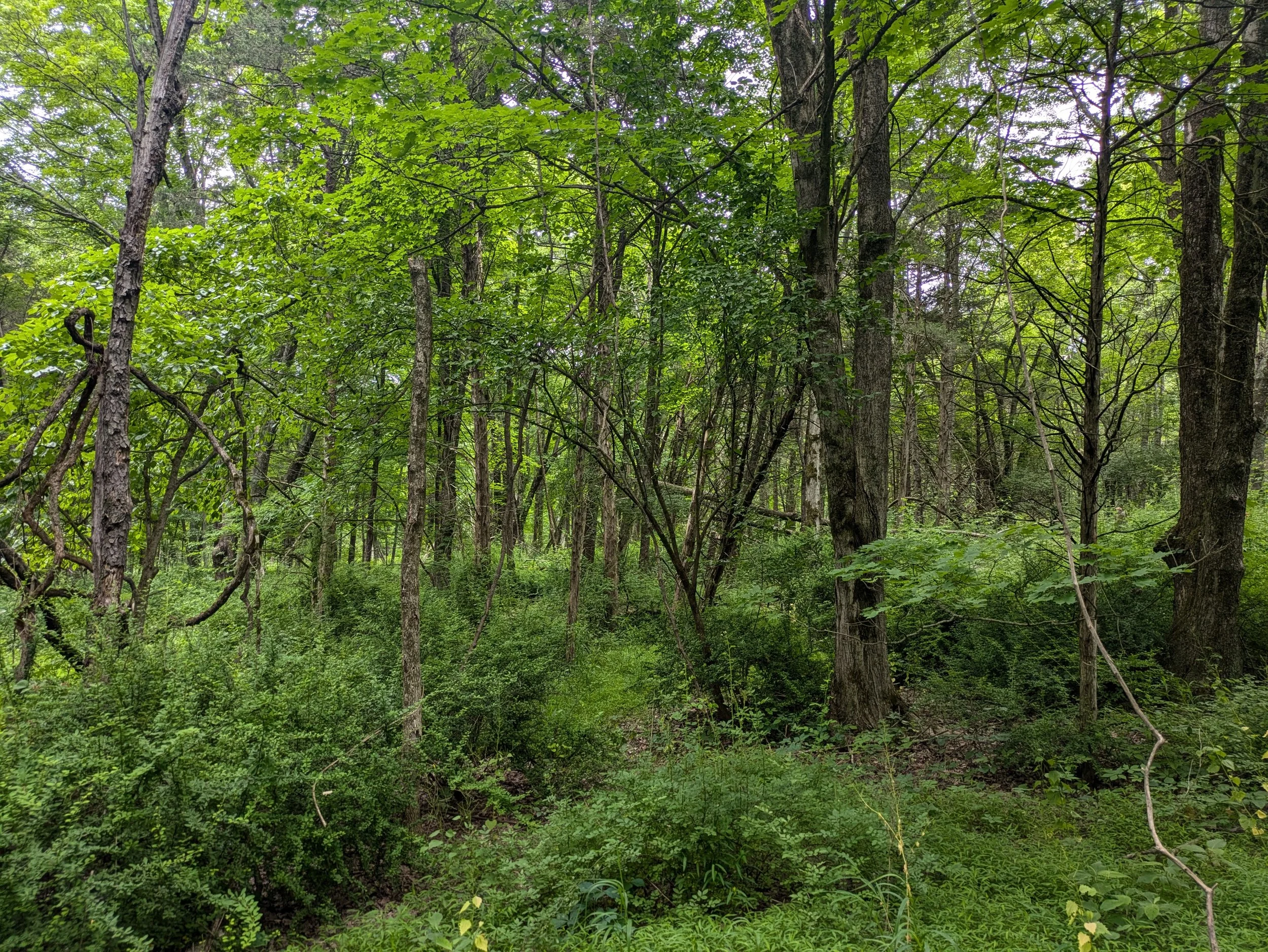
Why Forest Management Matters
It goes without saying that financial aspects will always play a role, but forestry is more than just trying to get as much money as you can from logging. Now more than ever, awareness and proper management of forestry practices are vital to sustainable forest regeneration and health.
What we’re up against…
-
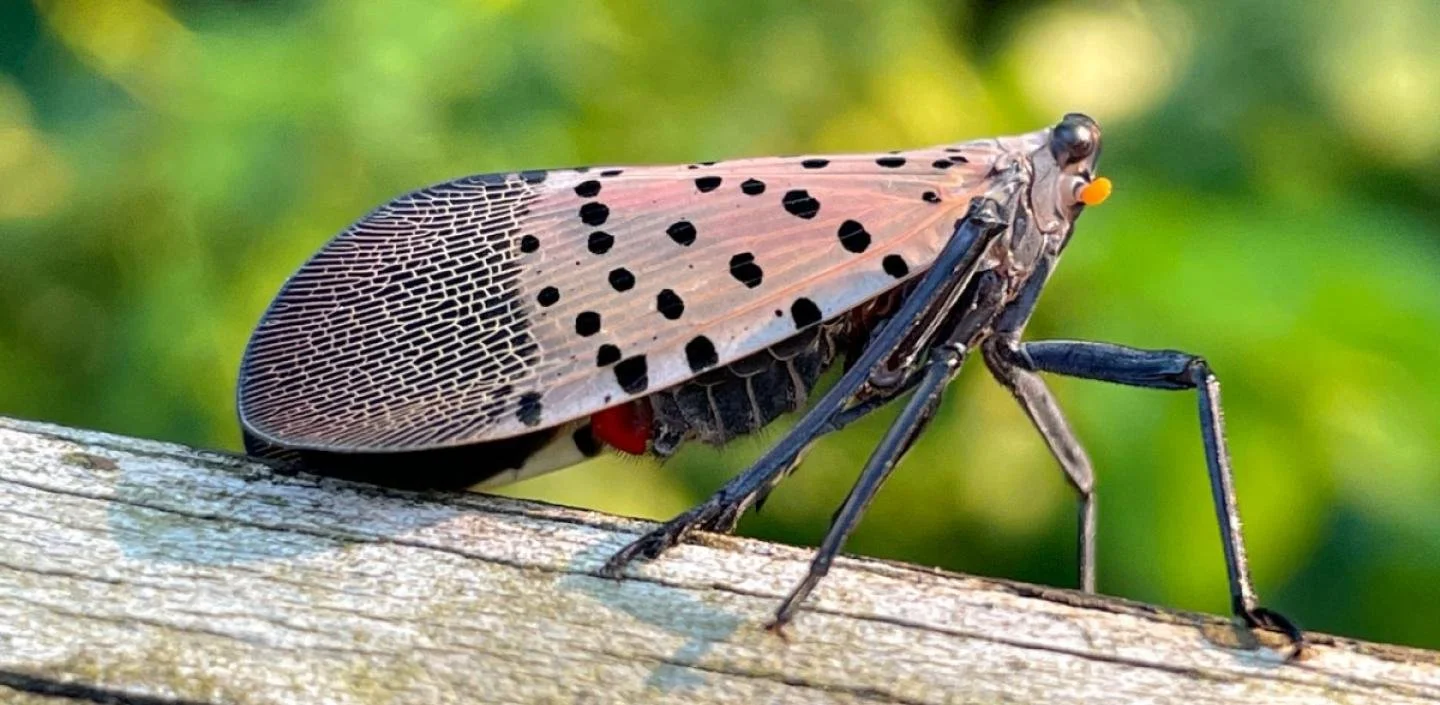
Insect Pests
Pressure from insects (Spotted Lanternfly, Ash Borers, etc.) requires immediate and decisive curtailing.
-
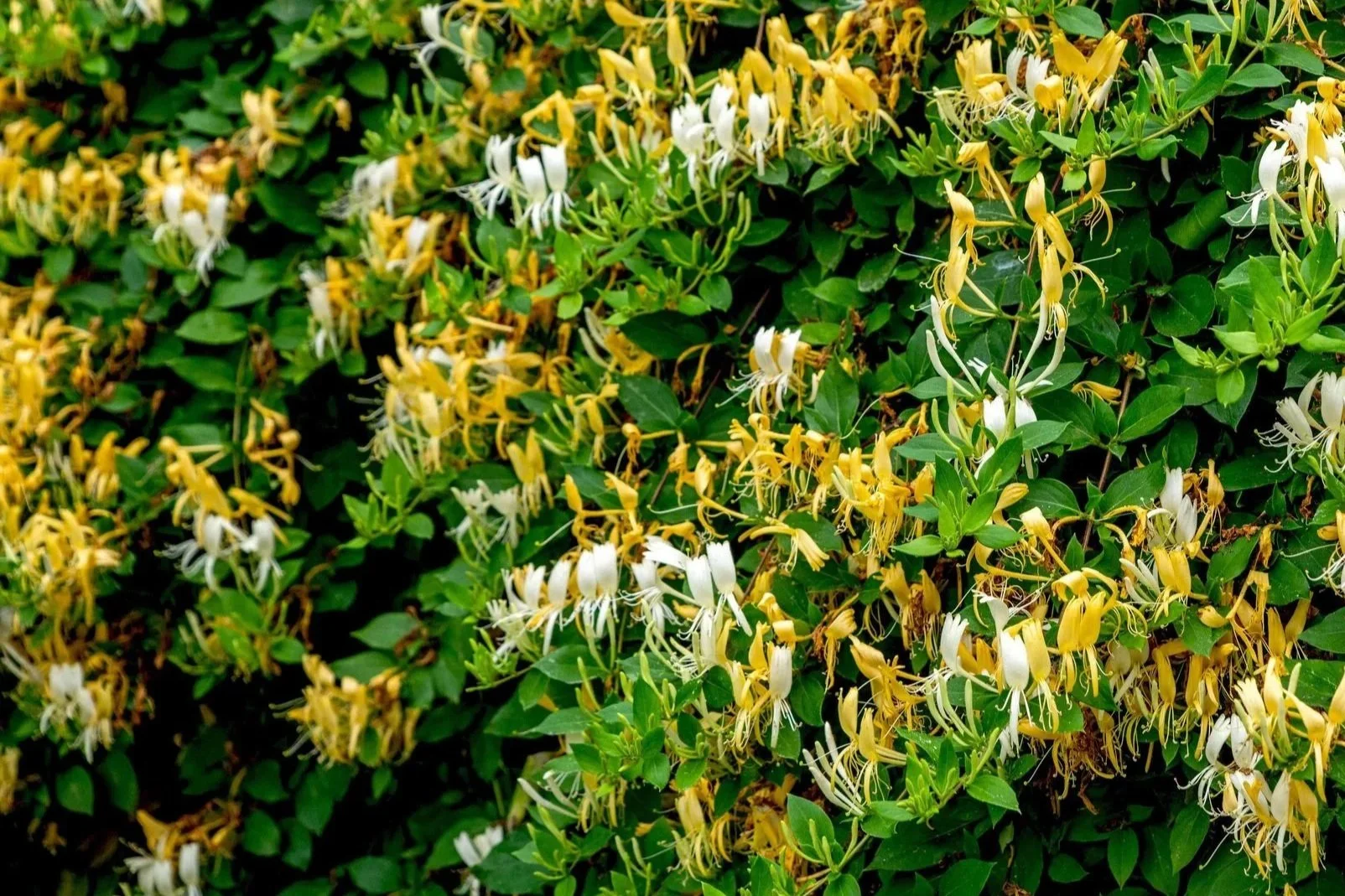
Invasive Species
Plants like Japanese Honeysuckle or Jimsonweed may look pretty, but their presence threatens local flora.
-
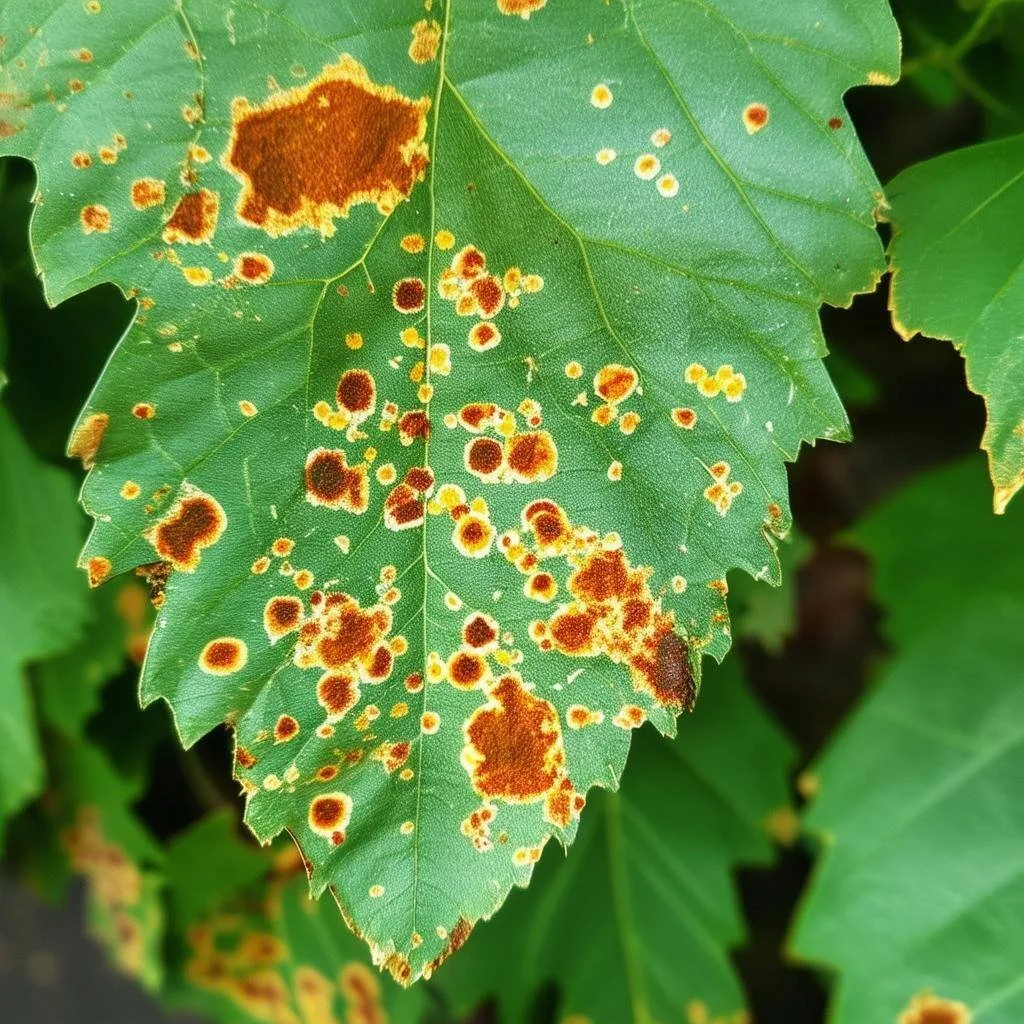
Disease
Bacterial plagues such as Blight or Leaf Scorch can decimate native trees and plants both in the wild and in cultivated gardens.
-
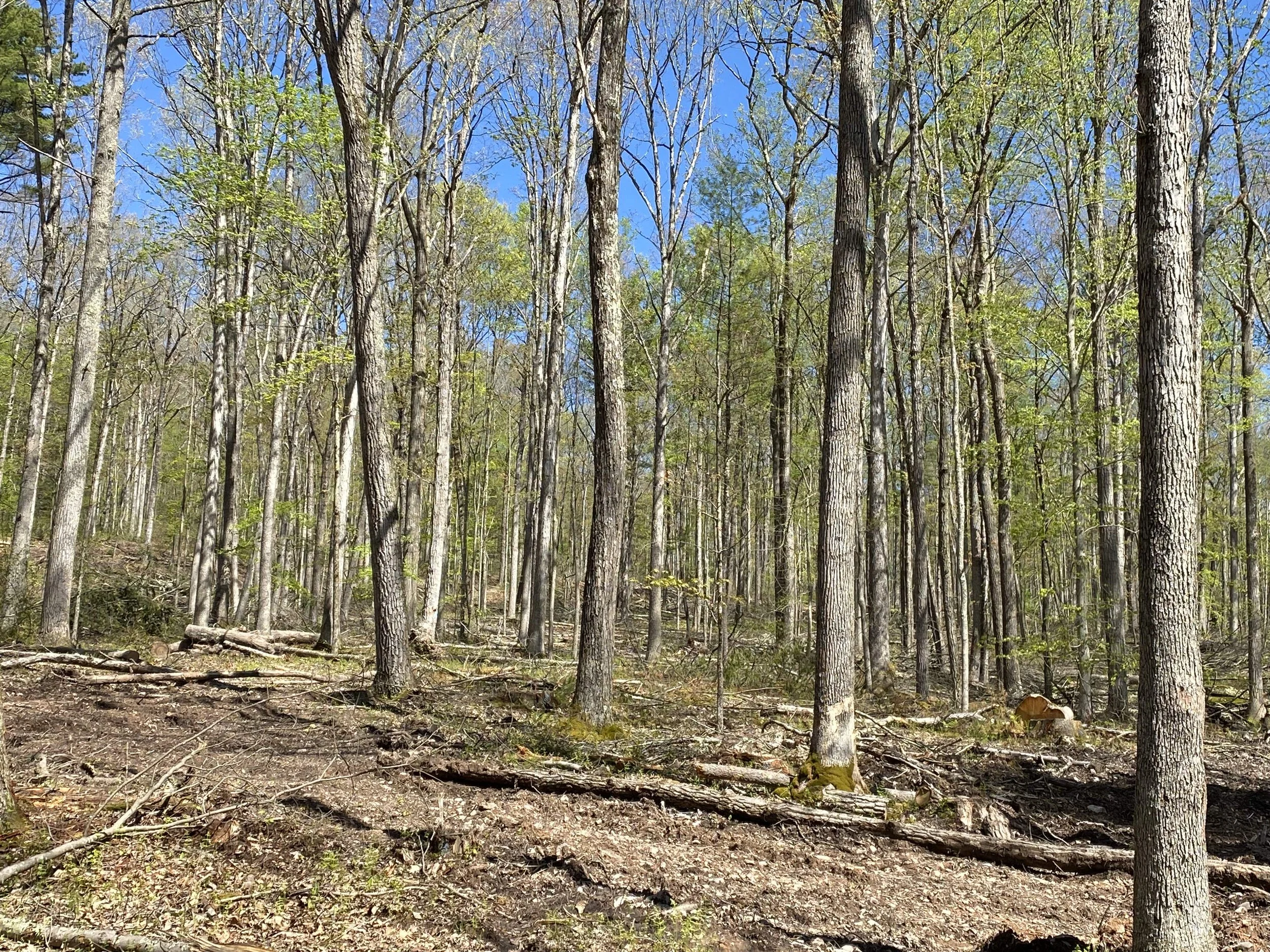
High Grading
Cherry-picking the best trees leads to short-term gains, but in the long term, it damages a forest’s health and value.
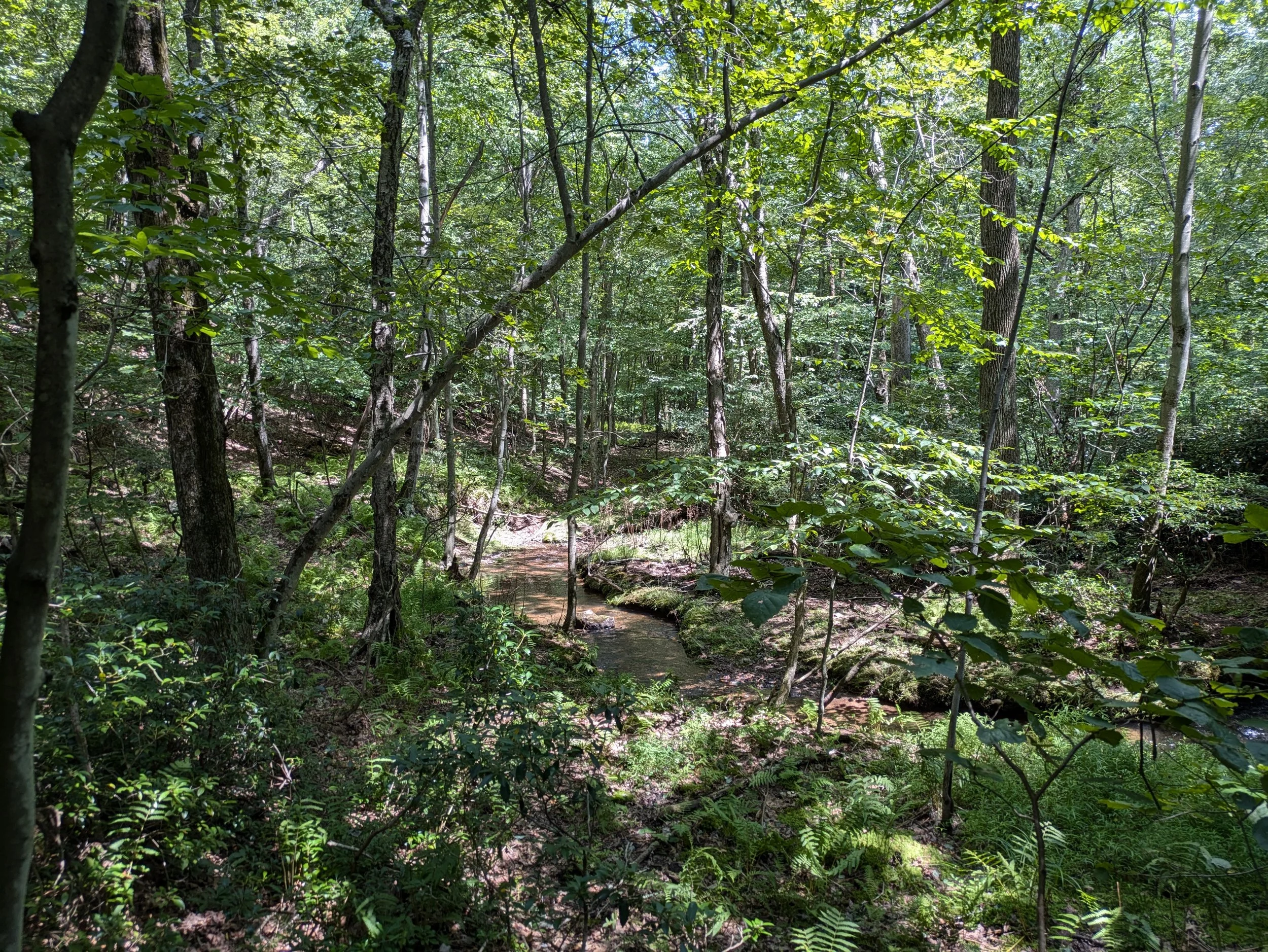
Let’s talk about Silviculture
Proper forest management and sustainability takes patience. Looking to a woodlot to get a “quick buck” doesn’t usually work out well in long run.
That’s where Silviculture, the science of growing and cultivating trees, comes in. Think of Silviculture as being akin to managing a farm lot. In order to reap the most both in the now and in the later, one has to take some time tend to their land. When it comes to a stand of trees, such tending takes the form of thinning, harvesting, planting, and so on.
What does the Silviculture process lead to? Simple: better long-term timber yields, improved biodiversity, and even improved scenery (an added bonus).
For more information on Silviculture and the benefits of harvesting in cycles, click the button below.